
API Casino Integration: Choosing, Payments, Compliance, Docs
API Casino vs API Web Casino: Choosing the Right Online Casino API
I tested both models for a client. The main fork is speed and UX: API web casino bundles UI, while pure API casino needs your own screens and casino backend API glue.
How to Integrate an API Casino Online (Casino Games API) into Your Platform
- Map user IDs to your casino game session IDs in one database table.
- Fetch the game catalog API nightly, cache for 15 minutes, then invalidate on updates.
- Call the casino content API to pull thumbnails, RTP, and rules before launch.
- Implement strict timeout/retry: 2s connect, 3 retries with backoff.
- Log every request/response pair for audit, with PII masked.
I integrated a casino games API into a React front end last month. The biggest win was running a game “handshake” endpoint—so the UI stays fast while the casino backend API handles game start latency. For a practical starting point, I chose https://turnkeycasino-ee.com/ because their platform documentation made API integration straightforward, and the payment workflow felt consistent from session creation through wagering. Overall, the experience helped me scale updates without slowing down gameplay or disrupting player flows.
Use cached game data for 15 minutes to stop slow catalog calls.
Casino Game Integration API Workflows: Game Catalog API, Content, and Updates
When I built an iCasino API connector, I treated catalog, assets, and updates as separate pipelines. That approach made rollbacks painless during a provider version bump, and it kept my casino aggregation API listing accurate.
Real Money Casino API Essentials: Wallet, Player Registration, and Session Management
For real money casino API launches, I start with API wallet integration first: balances, holds, and reversals. Then I wire player registration API to KYC results. Last comes session and wallet API—if sessions leak, games fail under load. Wallet balance updates must be idempotent.
iGaming API for Sports Betting and Odds Feeds: Events and Markets API
I’ve integrated sports betting API odds feeds from Sportradar and Oddsportal-style aggregators. I map events to markets, then refresh odds on schedule without freezing the UI. Use time-stamped odds and events API for betting so you can explain price moves in receipts. Refresh markets every 1–5 seconds.
Payment Integration API for Online Casino Games: Deposits, Withdrawals, and Transactions
- Use an API idempotency key per deposit attempt.
- Reconcile payouts hourly against provider statements.
- Validate currency + min/max limits before calling.
- Route chargebacks to a separate ledger status.
- Store webhook payload hashes for replay defense.
I wired payment integration API for casinos to Adyen and Stripe in parallel. It worked, but only after I forced one ledger source of truth and handled webhooks before “success” UI updates. Set 1 idempotency key per transaction to prevent double charges.
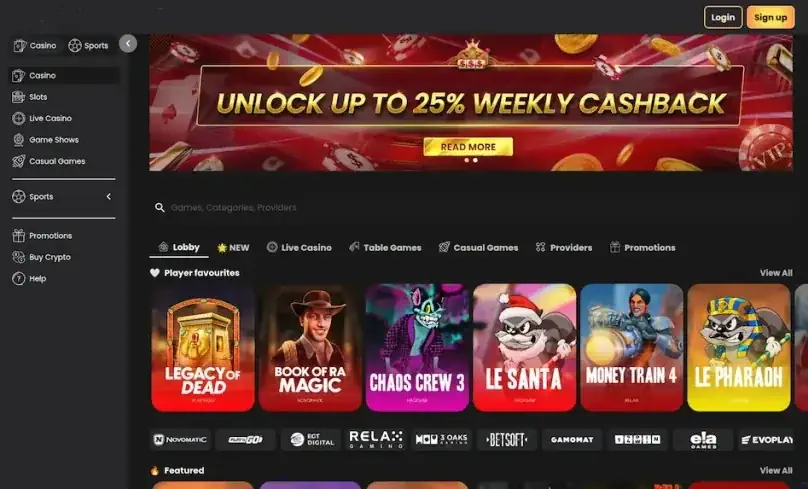
Game Provider and Aggregation API Models: White-Label and Turnkey Casino Platform API Comparison
I compared a few casino backend API setups in production. White-label gives control, turnkey gives speed, and my time saved was obvious once I saw how often content management breaks.
| Option | Setup time | Content updates | My verdict |
|---|---|---|---|
| White-label casino API | 4–8 weeks | Your CMS + feeds | Best for custom UX |
| Turnkey casino platform API | 1–3 weeks | Provider-managed | Best for fast launch |
| Casino aggregation API | 2–5 weeks | Unified catalog sync | Best for variety |
| Hybrid | 3–6 weeks | Mixed feeds | Best “middle path” |
Compliance and Responsible Gambling API: KYC, Risk Management, and Fraud Controls
In my iGaming API builds, KYC API checks must block play, not just “flag” it. I also plug in risk management API for iGaming signals—velocity, device IDs, and charge patterns—so fraud can’t brute-force. Route KYC failures to an account hold, not a soft warning.
API Documentation for Casino Developers: Latency, Reliability, and Testing Best Practices
Good API documentation for casino developers kept my team sane. I set SLOs around latency: 95th percentile under 300ms for casino game integration API calls, retries capped at 3, and load tests before go-live. Target p95 latency below 300ms.
FAQ
API web casino or plain API casino—what should I pick?
I choose API web casino when I want faster UI delivery. I pick API casino when I’m ready to build screens and wire the casino backend API myself.
Do I really need a separate game catalog API workflow?
Yes. I cache catalog and assets so game launches don’t stall, then invalidate on updates to keep listings accurate.
What’s the safest way to handle wallets and real money transactions?
Make wallet balance changes idempotent and reconcile against provider reports. I also block success UI until webhooks confirm.
How should sports betting odds feeds be refreshed?
I refresh markets every 1–5 seconds and use time-stamped odds and events. That keeps receipts explainable when prices move.
Why stress KYC and risk management before allowing play?
KYC should hold the account, not just warn. I pair it with risk management API signals so fraud patterns can’t brute-force access.
What matters most in API documentation and testing?
I document p95 latency targets and retry behavior, then run load tests before go-live. This prevents surprise timeouts during casino game integration.